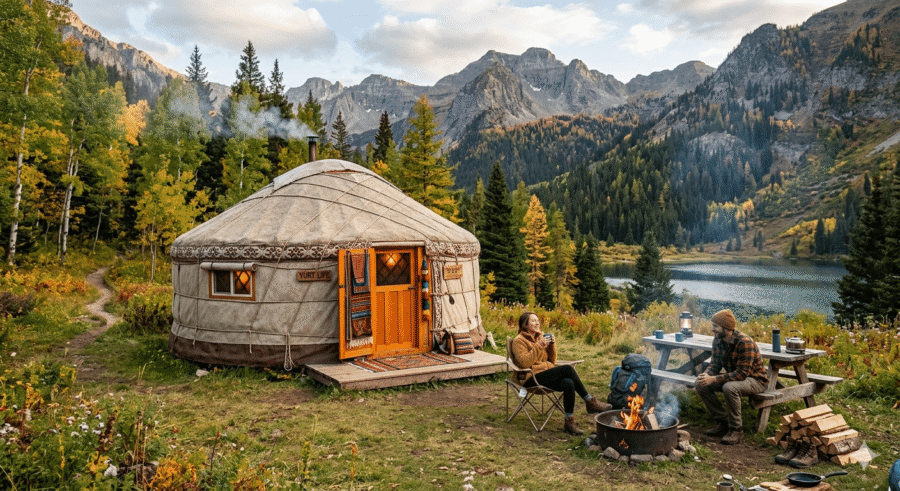
Yurt camping has moved far beyond its origins as a niche outdoor activity. Today, it represents a growing segment within experiential travel, sustainable architecture, and alternative living. As travelers increasingly seek immersive, nature-connected experiences without sacrificing comfort, yurt tents have emerged as a practical and design-forward solution.
From curated yurt glamping resorts to coastal stays like the yurts Oregon coast, and even full-time yurt homes, this form of accommodation is reshaping how people interact with outdoor environments.
In this guide, you’ll gain a comprehensive understanding of yurt camping—including its origins, modern applications, types of yurts, top destinations, and how it is evolving into both a lifestyle and investment opportunity.
What is Yurt Camping?
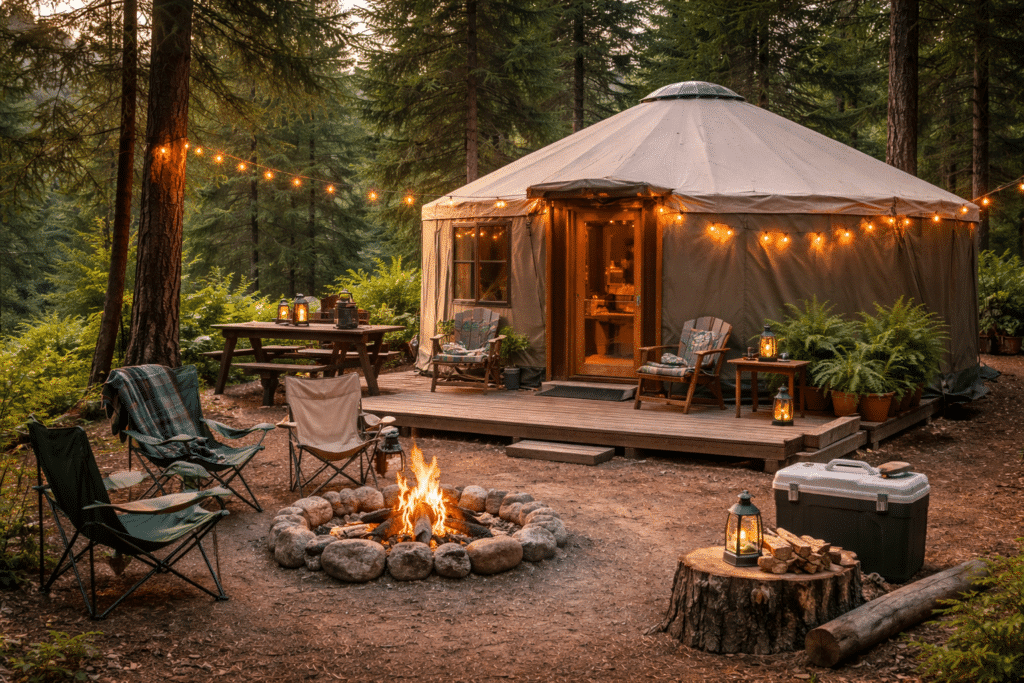
Yurt camping refers to staying in a circular, semi-permanent structure that offers significantly more comfort and durability than traditional tents. Unlike standard camping setups, yurts are designed to provide structural stability, insulation, and a more livable interior environment.
How Yurt Camping Differs from Traditional Camping
While traditional camping often requires setting up temporary shelters, yurts are typically pre-installed and equipped with essential amenities. This creates a more predictable and comfortable experience.
Key differences include:
- Solid framework and weather resistance
- Insulated interiors for year-round usability
- Furnished spaces with beds and basic utilities
This growing demand is reflected in search trends, with more travelers actively looking for nearby options through resources like yurts near me that highlight accessible and unique stays across the U.S.
The Evolution of Yurts: From Nomadic Shelter to Modern Living
The origins of yurts can be traced back to Central Asia, where nomadic communities relied on them for mobility, insulation, and resilience in extreme climates. The traditional Mongolian yurt remains one of the most efficient portable housing designs ever created.
Why the Design Still Works Today
Despite centuries of evolution, the core principles of yurts remain unchanged:
- Circular structure for wind resistance
- Central compression ring for structural integrity
- Layered materials for insulation
Modern engineering and materials have enhanced these features, allowing yurts to transition from temporary shelters into long-term housing and scalable hospitality solutions.
Types of Yurts You Can Experience
The category of yurts has expanded significantly, catering to a wide range of use cases—from minimalist travel to permanent living.
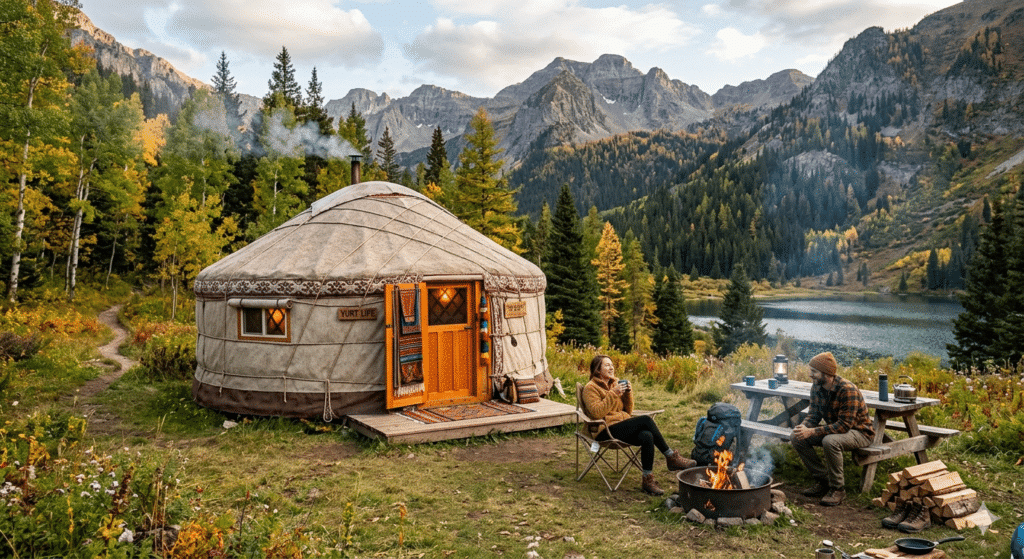
Traditional Yurt Tents
These offer a more authentic and simplified experience, often used in remote or culturally immersive environments where the focus is on nature and minimalism.
Modern Yurt Homes
A yurt home is designed for long-term or full-time living, integrating modern infrastructure with traditional design efficiency.
Typical features include:
- Insulated and climate-controlled interiors
- Plumbing and electrical systems
- Flexible layouts and customization
For those exploring ownership, reviewing high-quality yurts for sale provides a clear understanding of pricing, durability, and long-term value.
Additionally, if you’re evaluating other prefabricated housing models, insights from Colorado prefab cabins can help you compare construction timelines, costs, and flexibility.
Luxury Yurt Glamping Structures
At the premium end, yurt glamping has emerged as a major trend in hospitality. These structures are designed to deliver a high-end guest experience while maintaining a connection to the natural environment.
They often include:
- Fully furnished interiors with premium bedding
- Private or semi-private bathrooms
- Heating, cooling, and aesthetic design elements
The growth of yurt glamping reflects a broader shift toward experience-driven travel, where accommodations play a central role in the overall journey.
Why Yurt Camping is Growing in Popularity
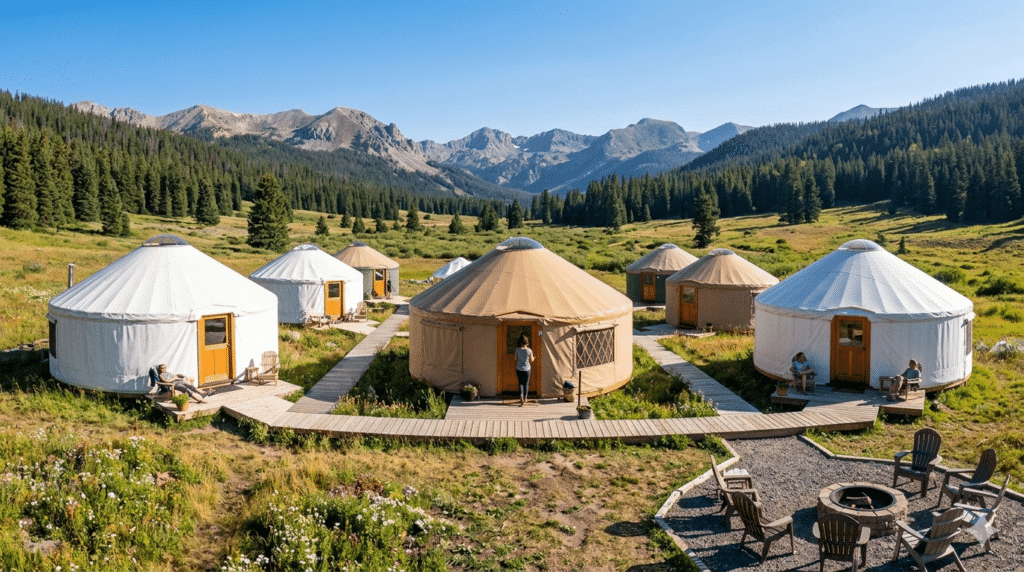
The increasing demand for yurt camping is driven by a combination of travel trends, environmental awareness, and evolving lifestyle preferences.
Experience-Driven Travel
Modern travelers are prioritizing unique and memorable stays over standardized hotel experiences. Yurts offer a distinct sense of place that enhances the overall travel experience.
Sustainability and Low Impact Living
Yurts require fewer materials and can often be installed with minimal environmental disruption. The U.S. Environmental Protection Agency highlights how eco-friendly accommodations can significantly reduce the environmental impact of tourism and infrastructure development.
Versatility Across Use Cases
Yurts can function as:
- Short-term vacation rentals
- Boutique hospitality units
- Permanent or semi-permanent homes
This flexibility makes them appealing to both individuals and businesses.
Best Places for Yurt Camping Around the World
Yurt camping has gained global popularity, but certain destinations stand out for their accessibility and scenic appeal.
Yurts on the Oregon Coast
The yurts Oregon coast experience is among the most sought-after in the United States, offering a unique blend of coastal landscapes and comfortable accommodations.
For those planning a trip, this detailed guide on yurts Oregon coast covers where to stay, what to pack, and the best times to visit.
Authentic Mongolian Yurt Experience
For a more traditional experience, staying in a Mongolian yurt offers cultural immersion and a deeper understanding of its original purpose and design.
Other Notable Destinations
- U.S. national and state parks
- European countryside retreats
- Mountain and forest regions
Each destination offers a different interpretation of the yurt camping experience.
What to Expect at Campgrounds with Yurts
Yurts are increasingly available in both public campgrounds and private retreats, offering a range of amenities depending on the location and price point.
Organizations like the National Park Service have incorporated yurts into park accommodations to provide more accessible and comfortable outdoor lodging options.
Typical Amenities
- Beds or sleeping platforms
- Basic furniture
- Heating or insulation
- Access to shared or private restrooms
Cost and Booking Considerations
Pricing varies based on location, amenities, and seasonality. Popular destinations, especially coastal regions, tend to book out quickly, making early reservations essential.
Yurt Glamping vs Traditional Camping
Choosing between traditional camping and yurt glamping depends on your expectations and comfort level.
Yurt glamping is particularly suitable for travelers who want:
- A ready-to-use setup
- Comfortable sleeping arrangements
- A balance between nature and convenience
Traditional camping may still appeal to those seeking a more rugged and hands-on outdoor experience.
Can You Live in a Yurt Full-Time?
Living in a yurt is becoming an increasingly viable option, especially for those interested in sustainable or alternative housing.
Advantages of Yurt Living
- Lower construction and setup costs
- Faster installation timelines
- Adaptability to different environments
Key Considerations
- Local zoning and building regulations
- Climate and insulation requirements
- Access to utilities and infrastructure
For many, a yurt home represents a practical step toward simplified and intentional living.
Ready to Build Your Own Yurt Experience?
Yurt camping is no longer just a travel trend—it reflects a broader shift toward flexible living, sustainable design, and experience-driven environments. Whether you’re exploring yurt glamping or evaluating yurts for sale as an investment, the opportunities in this space continue to expand.If you’re ready to move beyond exploration and take the next step, YurtSpaces offers modern yurt and dome solutions designed for both residential and hospitality applications—helping you turn the concept of yurt living into a practical, scalable reality.
Writer : Neha Verma
