
For centuries, humans have lived within the confines of four rigid walls. Traditional houses, with their square rooms and fixed foundations, have been the norm. However, as the world slowly shifts toward sustainable living and alternative lifestyles, more people are seeking homes that offer flexibility, connection to nature, and simplicity. Enter the yurt—a circular, portable dwelling that blends centuries-old tradition with modern comfort. If you crave a lifestyle free from constraints, where the boundaries between indoors and outdoors blur, yurt living might be the transformative change you’re looking for.
What Are Yurts?
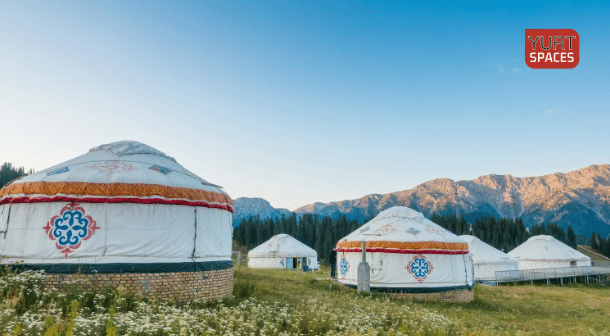
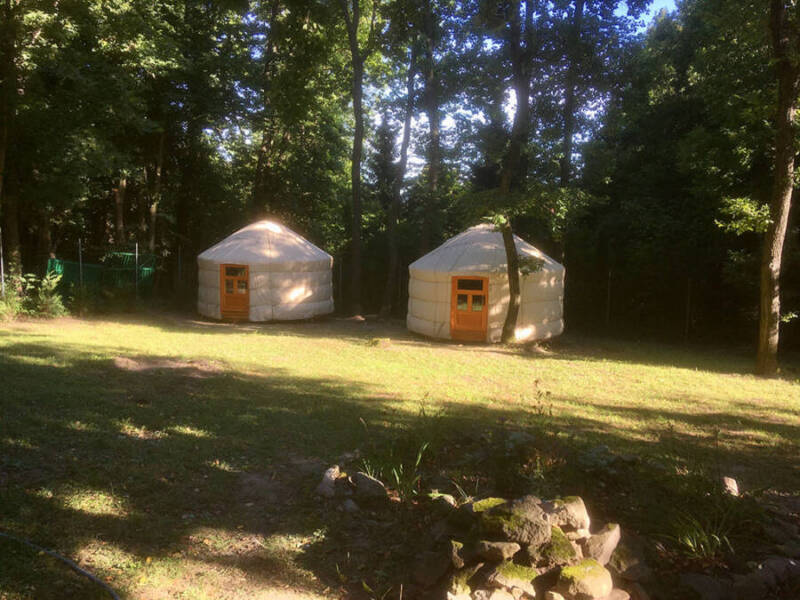
Yurts are unique and ancient structures originally developed by nomadic tribes across Central Asia, particularly in Mongolia, Kyrgyzstan, and Kazakhstan. These communities designed yurts as portable homes that could be dismantled, transported, and reassembled quickly to suit their migratory lifestyles.
Structure and Components:
- Wooden Lattice Walls: The walls are made of interlocking wooden lattices (khana) that provide flexibility and strength.
- Roof Rings (Tono or Crown): A circular wooden ring at the top acts as a structural keystone, supporting roof poles radiating outward.
- Fabric Coverings: Traditionally, yurts are covered with felt made from sheep’s wool, which provides excellent insulation. Modern yurts use weather-resistant canvas or synthetic materials for durability.
- Portability: All components can be packed, making the yurt highly transportable.
Modern Adaptations Of Yurts
While traditional yurts serve nomadic needs, modern yurts have been adapted for a wide range of uses worldwide. Beyond homes, they’re used as:
- Vacation cabins in remote natural areas
- Boutique glamping accommodations combining luxury and nature
- Studios for yoga, meditation, and art
- Guesthouses or backyard offices
Their circular design eliminates sharp corners, creating a harmonious flow and maximizing the interior space visually and physically.
Yurts vs. Tents: Understanding the Differences
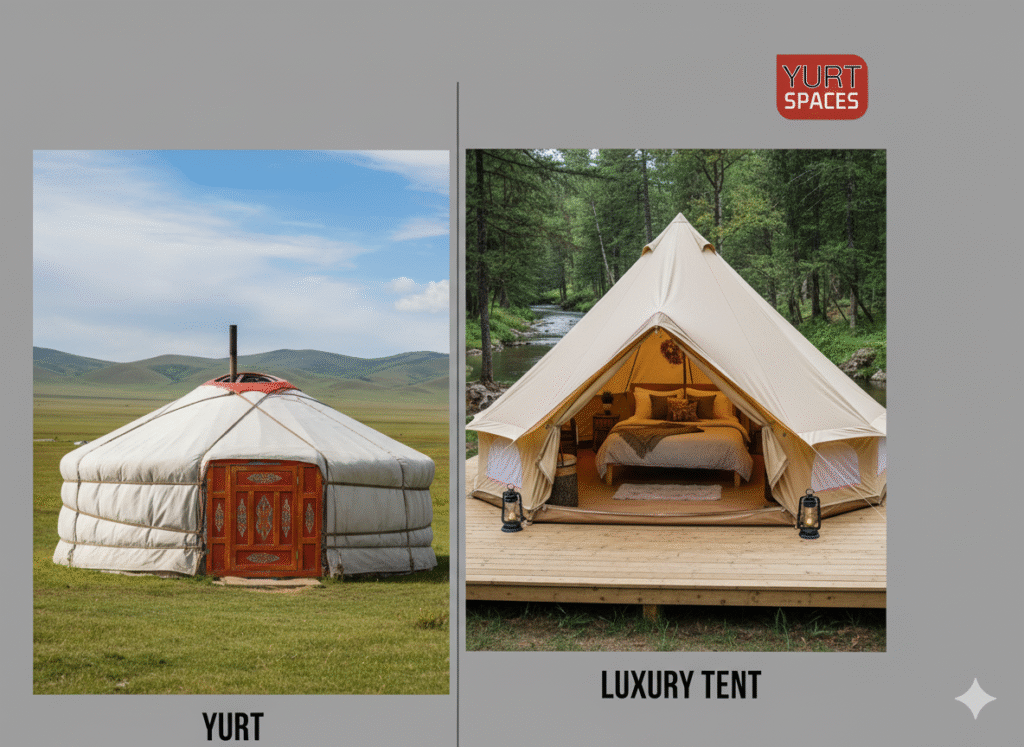
At first glance, yurts might seem like oversized tents, but they are far more sophisticated and practical.
Key Differences:
- Frame Construction: Yurts have a sturdy wooden frame providing structural integrity, unlike flimsy tent poles.
- Durability: Yurts can withstand harsh weather conditions—heavy snow loads, strong winds, and rain—lasting for decades.
- Insulation: Traditional tents lack insulation, but yurts often feature layers of insulated liners, making them habitable year-round, including winter.
- Interior Space: Yurts provide generous headroom (often exceeding 12 feet at the center) and a spacious, open plan that tents cannot match.
- Customization: Modern yurts can include permanent features like wood stoves, electric wiring, plumbing, and even loft spaces.
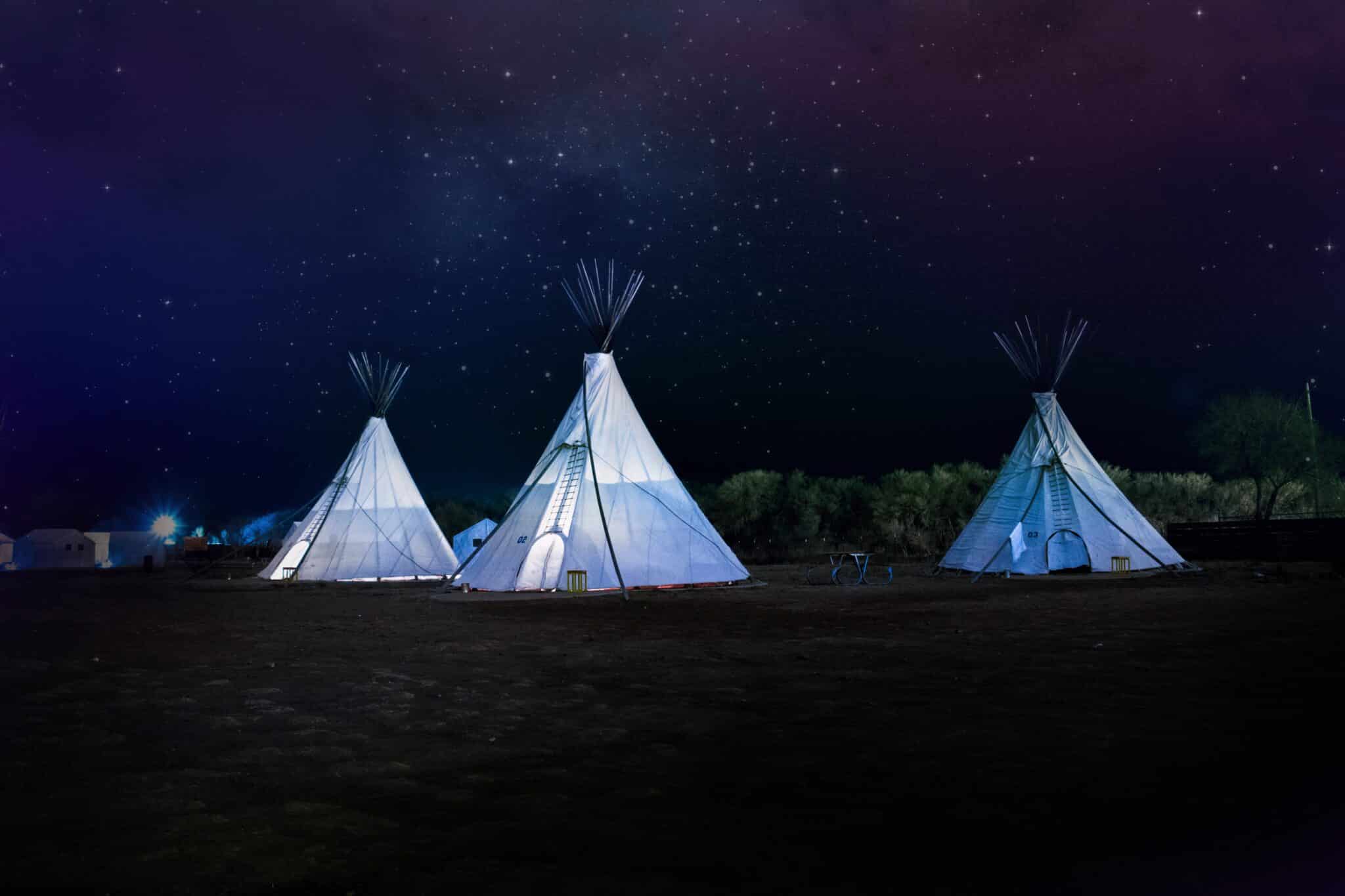
In essence, yurts offer the best of both worlds—the immersive closeness to nature typical of camping combined with the robustness and comfort of a permanent home.
Why Choose Yurt Living?
Living in a yurt is more than just a housing choice—it’s an intentional lifestyle embracing
minimalism, sustainability, and harmony with nature.

- Minimalism and Decluttering
Yurts encourage living with less. With limited square footage and fewer nooks,
possessions must be curated thoughtfully. This creates a freeing sense of lightness and
intentionality in daily life. - Sustainability:
Many yurts are constructed from renewable and biodegradable materials like wood and
canvas, reducing the carbon footprint. Their compact size demands less energy for
heating, and features like solar panels and composting toilets make off-grid living
possible. - Flexibility of Location:
Yurts can be set up nearly anywhere—mountain slopes, forest clearings, desert
landscapes, or beachfronts. Their portability means you can relocate your home as your
needs or desires change. - Affordability:
Building or buying a yurt is often significantly cheaper than traditional housing due to
simpler materials, smaller footprints, and fewer permits or construction requirements. - Connection with Nature:
The circular shape, often featuring a skylight or smoke hole at the center, invites natural
light inside and allows you to gaze at the stars from your living room. Natural ventilation
enhances air quality and wellbeing.
Yurts for Sale: What to Consider Before Buying

If yurt living appeals to you, the next step involves thoughtful research before making a purchase. Yurts come in numerous sizes, styles, and levels of finished luxury.
Yurt Size and Space Planning:
- Typical diameters range from compact 12 feet (approximately 100 square feet) to spacious 30 feet (over 700 square feet).
- Larger sizes allow room divisions or loft sleeping areas.
- Consider your household needs, lifestyle, and future expansion plans.
Materials and Weather Considerations:
- Frame wood should be treated for resistance against pests and elements.
- Canvas thickness and quality affect durability and insulation.
- Insulated liners or double-wall coverings are essential for colder climates.
- Check if additional insulation can be added for colder regions.
Permits and Zoning:
- Many rural areas permit yurts as temporary or permanent dwellings.
- Urban or suburban settings may have strict building codes or restrictions.
- Check local authorities regarding code compliance, foundation requirements, and utility hookups.
Installation and Maintenance:
- DIY kits require assembly skills; hiring professionals is an option.
- Maintenance includes protecting covers, checking for leaks, and preserving wooden elements.
- Some yurts need annual re-proofing or canvas treatments for longevity.
Customization and Upgrades:
- Add wood stoves or pellet heaters for warmth.
- Solar panels can power lights and devices off-grid.
- Skylight domes with screens provide ventilation and star views.
- Interior walls or partitions can increase privacy or functionality.
Where to Experience Yurt Living First
If you’re curious but not yet ready to buy, numerous resorts, parks, and private hosts offer yurt rentals. Staying in a yurt allows you to immerse yourself in the lifestyle and assess if it fits your needs.
Popular Yurt Destinations:
- Yurts on the Oregon Coast: with ocean views and beach access.
- Colorado Mountains: Authentic yurts set in alpine terrain for adventure lovers.
- California: Glamping yurts with luxury amenities near vineyards and forests.
- East Coast Forests: Rustic yurts surrounded by woodlands, perfect for meditation retreats.
These yurts range from rustic to luxurious, with amenities like full kitchens, bathrooms, and even Wi-Fi, catering to all preferences.
Is Yurt Living Right for You?
Yurt living suits people who value simplicity, the outdoors, and sustainability. It’s ideal for individuals, couples, and small families who want to downsize, experiment with off-grid living, or find an affordable home alternative.
Consider These Factors:
- Do you prefer rural or natural surroundings over urban convenience?
- Are you comfortable with limited space and simpler utilities?
- Is portability or relocation a benefit for your lifestyle?
- Would you enjoy reducing your ecological footprint?
- Are you open to DIY or customized living solutions?
Yurts may not suit those needing traditional urban infrastructure full-time, but many modern yurts offer plumbing, electricity, and internet, bridging the gap between wilderness and modern life.
Final Thoughts
Yurt houses are more than structures—they represent freedom, sustainability, and simplicity. From cozy weekend retreats to full-time family homes, they offer flexibility and affordability unmatched by traditional housing. Whether you dream of yurts for camping, a mountain getaway, or a backyard guest space, there’s a yurt design to suit your lifestyle.
Step beyond the ordinary. Experience the openness and simplicity of yurt living, and discover how a round house can reshape your relationship with space, nature, and yourself.
Take the first step toward your dream yurt today. Contact YurtSpaces.com to get a personalized estimate and discover how easily you can bring the magic of yurt living into your life.